
Why EDM Makes Your CNC Parts More Expensive?
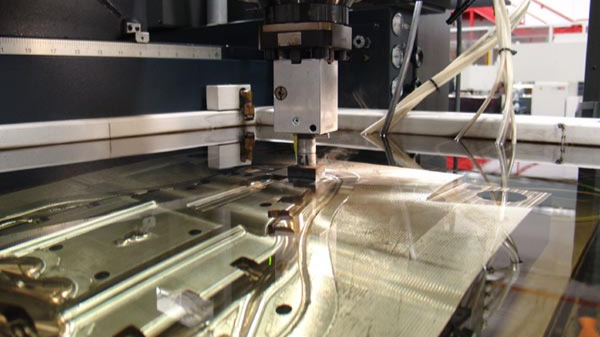
While CNC milling and turning are subtractive processes, EDM is a thermo-erosion process, and this fundamental difference is the root cause of its higher price.
From a technical and manufacturing standpoint, here’s a breakdown of the key cost drivers:
1. Inherently Low Material Removal Rate (MRR)
- CNC Machining: Uses sharp, physical tools to shear away material. MRR is high, often measured in cubic inches per minute.
- EDM: Uses controlled sparks to erode material atom by atom. The MRR is extremely low, typically measured in cubic millimeters per minute. This means the process is inherently slow, and machine time (and cost) increases significantly. It's a trade-off for precision over speed.
2. Non-Contact Process & Electrode Costs
- In Sinker EDM: A custom-shaped electrode (typically made from graphite or copper) must be precisely machined for every unique cavity or feature. This electrode is itself a consumable tool that wears down during the process. The cost includes:
- In Wire EDM: The continuous brass or coated wire is a consumable. While it feeds from a spool, advanced parts can use a significant amount of expensive wire, especially with thicker workpieces.

3. Setup and Programming Complexity
- EDM is not a simple "load and go" process. Setup is meticulous and requires skilled technicians.
- Programming: Generating the CNC path for EDM is complex. Engineers must carefully define spark gaps, flushing parameters, power settings, and wire feed rates to balance speed, accuracy, and surface finish.
- Setup: The workpiece and electrode must be precisely aligned. The dielectric fluid tank must be filled and maintained. For wire EDM, threading the wire through a starter hole can be a time-consuming task itself.
4. Specialized Equipment and Overhead
- EDM machines are highly specialized pieces of capital equipment. Their purchase price is often higher than that of a standard 3-axis CNC mill.
- They require a dedicated system for filtering and cooling the dielectric fluid (deionized water for Wire EDM, oil for Sinker EDM). This adds to utility and maintenance costs.
5. The Unmatched Capability (Why We Use It Anyway)
It's crucial to remember that EDM is used precisely because it solves problems other processes cannot. You pay a premium for its unique advantages:
- Hard Material Machining: It can easily cut hardened tool steels, carbides, and superalloys that would quickly destroy a CNC end mill.
- Geometric Complexity: It creates sharp internal corners, deep ribs, thin walls, and intricate contours that are impossible with a rotating cutting tool.
- No Mechanical Stress: Since there is no physical contact, it introduces no residual stresses, burrs, or tool pressure, which is critical for delicate parts.
Conclusion: A Value Proposition
The high cost of EDM isn't an inefficiency; it's a reflection of its specialized nature and unparalleled capabilities. It is a critical tool for manufacturing complex, high-precision components that define advanced industries like aerospace, medical devices, and mold & die.
When evaluating a quote, understand that you're not just paying for time on a machine; you're paying for specialized expertise, unique tooling, and the ability to achieve geometries and tolerances that are otherwise unmanufacturable.
A must-read for designers, easily close the pit and get high-precision bending process
What's the best way to join sheet metal? There's no single answer